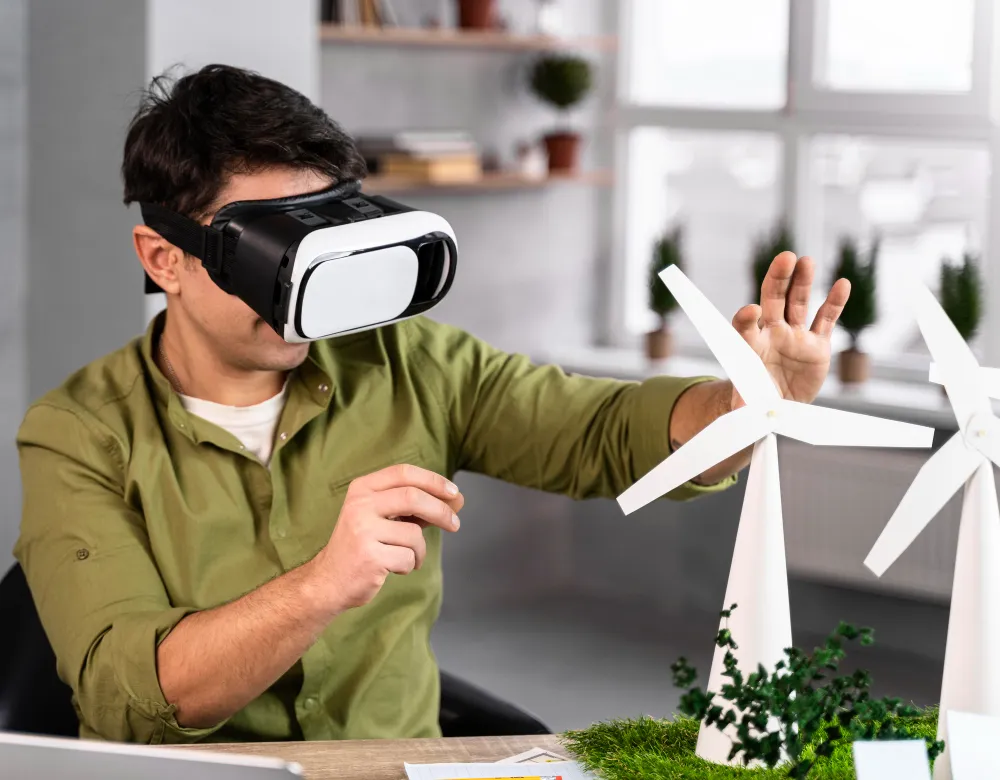
Modern technology has become one of the most influential forces shaping the world today. From the way people communicate and work to how businesses operate and students learn, digital innovation continues to redefine everyday life in 2026.
Over the last decade, technological advancements have accelerated rapidly. Artificial intelligence, cloud computing, smart devices, and automation are no longer futuristic ideas — they are now essential parts of daily routines. As industries continue embracing digital transformation, understanding the role of technology is becoming increasingly important for both individuals and organizations.
The Growing Influence of Technology
The influence of technology can be seen almost everywhere. People rely on digital tools to manage schedules, connect with others, shop online, stream entertainment, and even monitor personal health.
Businesses are also investing heavily in advanced systems that improve efficiency, communication, and customer experience. According to the World Economic Forum, digital transformation is expected to continue reshaping industries worldwide over the next several years.
This widespread adoption highlights how deeply integrated technology has become in modern society.
How Technology Has Changed Communication
Communication is one of the areas most affected by modern technology. Social media platforms, instant messaging applications, and video conferencing software allow people to connect globally within seconds.
Remote work has also become more efficient because companies can now collaborate using cloud-based communication tools. Teams no longer need to work in the same physical location to remain productive.
Some major communication benefits created by technology include:
- Instant global connectivity
- Faster information sharing
- Improved business collaboration
- Virtual meetings and remote teamwork
- AI-powered customer support
As communication systems continue evolving, technology will remain a driving force behind global connectivity.
The Role of Technology in Healthcare
Healthcare is experiencing significant improvements through innovative technology solutions. Hospitals, clinics, and medical professionals now use advanced digital systems to improve patient care, diagnostics, and treatment planning.
Telemedicine services allow patients to consult doctors remotely, making healthcare more accessible in many regions. Wearable health devices can track physical activity, sleep patterns, and heart rate in real time.
As explained by Wikipedia’s Health Information Technology page, digital healthcare systems improve medical data management and operational efficiency.
Artificial Intelligence in Healthcare
AI-powered tools help doctors analyze medical data more accurately and detect diseases earlier.
Electronic Health Records
Digital records simplify information sharing between healthcare providers and improve patient management.
Remote Monitoring Systems
Smart health devices provide continuous monitoring for patients outside traditional healthcare facilities.
The integration of technology into healthcare continues to improve both efficiency and patient outcomes.
Technology and Modern Education
The education sector has evolved dramatically due to digital learning tools and online platforms. Students can now attend virtual classes, access educational videos, and complete assignments remotely.
Modern technology supports flexible learning environments that benefit both teachers and students. Interactive educational apps and cloud-based systems make learning more engaging and accessible.
Benefits of educational technology include:
- Online learning opportunities
- Flexible study schedules
- Interactive digital classrooms
- Easier access to information
- Personalized learning experiences
As educational institutions continue modernizing, technology will play an even larger role in shaping future learning systems.
Smart Technology in Homes
Smart homes are becoming increasingly common as homeowners adopt connected devices that improve convenience and security. Voice-controlled assistants, smart lighting systems, and automated appliances are now widely used in modern households.
These innovations help users manage their homes more efficiently while reducing energy consumption.
Smart Security Systems
Advanced cameras and sensors allow homeowners to monitor properties remotely.
Voice Assistants
Digital assistants help manage schedules, answer questions, and control connected devices.
Energy-Efficient Devices
Smart thermostats and lighting systems reduce unnecessary energy use.
The popularity of smart home technology reflects the growing demand for convenience and automation in everyday life.
Technology in Business Operations
Businesses across all industries are adopting modern technology to remain competitive in rapidly changing markets. Cloud computing, automation, and artificial intelligence are helping organizations improve productivity and customer experiences.
Remote work environments also rely heavily on digital systems that support communication and collaboration.
Important business technology trends include:
- Cloud-based collaboration tools
- AI-driven automation
- Cybersecurity systems
- Digital payment solutions
- Data analytics platforms
Companies that invest in innovative technology solutions are often better positioned for long-term growth and efficiency.
Artificial Intelligence and Automation
Artificial intelligence is one of the most powerful developments in modern technology. AI systems can analyze data, automate repetitive tasks, and improve decision-making processes across multiple industries.
Businesses use AI-powered solutions to personalize customer experiences, improve marketing strategies, and streamline operations.
AI Chatbots
Automated chat systems provide instant customer support and faster response times.
Recommendation Systems
Streaming services and online retailers use AI to suggest relevant products and content.
Smart Automation
Automation tools reduce manual work and improve operational efficiency.
As AI continues evolving, technology will likely become even more integrated into everyday business and consumer activities.
Cybersecurity in the Digital Age
As digital systems become more advanced, cybersecurity has become increasingly important. Businesses and individuals must protect sensitive information from online threats, data breaches, and cyberattacks.
Modern technology includes advanced security measures designed to improve digital protection.
Essential cybersecurity practices include:
- Using strong passwords
- Updating software regularly
- Enabling multi-factor authentication
- Avoiding suspicious websites and emails
- Backing up important data
Maintaining strong cybersecurity is essential in today’s connected digital environment.
Sustainable Technology and the Environment
Environmental sustainability is another area where technology is creating positive change. Renewable energy systems, electric vehicles, and smart energy solutions are helping reduce environmental impact.
Green technology supports cleaner energy production and more efficient resource management.
Examples of sustainable technology include:
- Solar power systems
- Electric transportation
- Smart energy grids
- Energy-efficient appliances
- Digital paperless solutions
As environmental concerns continue growing worldwide, sustainable technology will become increasingly important.
Challenges Created by Technology
Although technology offers many advantages, it also presents several challenges. Privacy concerns, cyber threats, digital addiction, and misinformation remain significant issues in modern society.
Businesses and governments must develop responsible policies that balance innovation with security and ethical standards.
Common technology-related challenges include:
- Data privacy risks
- Online security threats
- Excessive screen time
- Automation-related job concerns
- Information overload
Addressing these challenges will be essential for creating a safer and more balanced digital future.
The Future of Technology
The future of technology looks highly innovative and interconnected. Emerging advancements such as quantum computing, augmented reality, and advanced robotics may transform industries even further in the coming years.
Experts predict that digital transformation will continue accelerating across healthcare, education, transportation, and communication sectors.
As global connectivity increases, technology will remain one of the primary drivers of innovation, productivity, and economic growth.
FAQs
Why is technology important in modern life?
Technology improves communication, productivity, healthcare, education, and overall convenience in daily life.
How does technology help businesses grow?
Businesses use technology to automate tasks, improve efficiency, enhance customer experiences, and support communication.
What are the biggest technology trends in 2026?
Artificial intelligence, cloud computing, cybersecurity, automation, and smart devices are among the leading technology trends in 2026.
How is technology changing education?
Modern technology enables online learning, interactive classrooms, and flexible educational opportunities for students worldwide.
What are the risks associated with technology?
Common risks include cybersecurity threats, data privacy concerns, misinformation, and excessive digital dependency.
Modern technology continues to transform nearly every aspect of daily life in 2026. From smarter homes and advanced healthcare systems to digital communication and artificial intelligence, innovation is shaping the future at an unprecedented pace.
As individuals and businesses adapt to this evolving landscape, understanding and embracing technology will remain essential for long-term success in an increasingly connected world.